

Table of Contents
“I’ve already had one. And you know how well that turned out.”
This first appeared in the zine “Venice Place Chronicles 3” published in 2003 by Keri T.
Hutch stared at his partner and swallowed, then said, firmly, “No.”
But he should have known it wouldn’t be that simple.
“Why not?” asked Starsky.
“I, I,” –Hutch struggled with a way to express his dismay– “I’ve already had one. And you know how well that worked out.”
Starsky leaned forward, forearms braced on the table and nudging the open pizza box, empty but for a few clumps of cheese that stuck to the cardboard, sauce and grease stains, and crumbs. “Hutch, that’s nuts. Being divorced never stopped anybody from getting married again.”
“Anybody?”
“You woulda married, well–” and Starsky obviously stopped himself from naming any specific woman. He looked down, picked at the edge of the box in sudden, spurious fascination, and that made Hutch smile in spite of himself.
“Maybe,” he said. “Would’ve been a mistake, though.”
Starsky looked up then, and Hutch reached over and just flicked at the stubbled cheek with the tips of his fingers, all he could reach without getting out of his chair. “I’m glad I waited for you,” he said, and Starsky smiled.
He caught Hutch’s hand, too, brought it down so their fingers tangled beside the box. “That’s what I mean.”
Though the reference wasn’t completely clear, Hutch didn’t ask. He got the gist. And he still didn’t like it. “What about work?”
“What about it? There’s lots of gays on the force now. That one guy at Metro, you know, Jurgen Whosis, he wears a ring ‘n’ all. He musta had a ceremony.”
“Not necessarily,” Hutch said. “Anyway, that’s, that would have been …” but he didn’t know Jurgen at all, really, so he didn’t know that he hadn’t gotten hitched to his domestic partner just recently and invited all his cop buddies. It just seemed pretty unlikely.
Starsky looked at him guilelessly, and Hutch couldn’t fathom what was going on under the curls that still clustered so thickly over his partner’s head. “Have you got any idea what the planning’s like for a, a wedding?” He rubbed the bridge of his nose with his free hand and tried to dredge up an impressive list. “There’s the reception, all that food and who to invite and music and booze–there’s the church or wherever–and just where did you think we’d do it? Who’d officiate? Oh, I know, let’s do it in the Dobeys’ church.” He snorted, shook his head. “What would we say? Do you want to read poetry? Would there be a wedding cake? Pink champagne?” Starsky didn’t respond, just watched him. “Talk about euphoric sentimentalism!”
“And there’s the bridesmaids’ dresses,” Starsky said at last, deadpan. “What color would they be?”
Hutch frowned. “Was it all a joke?” he asked.
“No.” Starsky pulled his hand away, got up and gathered up the pizza box, the crumpled napkins, and the beer cans. “Not to me.”
Following Starsky to the kitchen and watching him fold the box into the trash bin, Hutch watched for signs of distress and couldn’t see any. Still, “It isn’t about what I feel, you know. I love you,” Hutch said.
“I know,” said Starsky, washing his hands.
It had been a long time since Hutch had thought about his wedding. When he thought about his marriage to Vanessa, he generally thought of the end of it, or occasionally the early period when it looked like it might work out. Or the weird way Vanessa and Starsky had interacted, as if they’d shared some secret, some prophetic knowledge, all along. The wary circling they did, like two stray cats finding themselves in the same back yard.
But now he tried to remember what the wedding preparations had been like, and the incredible, petty, meaningless details Vanessa and her mother and her friends had discussed so endlessly rose up in a wave and almost swamped the quiet of the sunlit kitchen around him, the smells of pizza and garlic bread and beer.
Debates over the guest list, the choices for the wedding party (“but if I ask Carol, Brenda won’t do it, and if I don’t have Brenda, I don’t know who to put with Jim”), choosing the invitations (“Do you like the blue and silver better or the blue and gold?”), making them out … rehearsals, flower arrangements, photographs (“Put your hand on her shoulder–no, below the ruffle, don’t crush it–turn farther toward the mirror”), problems with deliveries and delays, little panics right up to the end of the reception … endless, endless trouble, and nothing at all to do with Ken and Vanessa and any life they could make together. He’d had a real fellow feeling for the little plastic figures on the top of the cake. At least if he’d been plastic, his face wouldn’t have hurt from smiling all day long.
And that was an ordinary wedding, the kind people would attend without a thought, the kind that didn’t make a difference to whether you could get a job, find a house, adopt a kid. Have backup if you needed it on the street.
Though, of course, neither he nor Starsky was on the street these days; they had solid jobs that IA couldn’t take away for sexual preference any more; and anybody they’d actually invite to a commitment ceremony would already have come to terms with them as a couple.
Starsky passed him with a brief touch at the waist, perhaps just to get around his bulk in the doorway, and Hutch followed all the way to the sofa in the living room. Flopping down, his partner picked up the remote, glanced up. “What?”
Hutch folded his arms.
The Adidas that Starsky still liked to wear were braced on the coffee table; his knees were splayed in the air, and he aimed the remote between them to turn on the TV without looking. “‘M I in the spot you wanted? Or you wanna watch ‘Repotting with Betty’ or somethin’?”
He didn’t look like a guy with a secret yen to get dressed up in some frilly-shirted tux and gather everyone they knew together to hear them recite vows. He looked like the same Starsky who’d always hated soapy scenes, shied away from declarations of love any time that a touch or a glance would speak for him. Older, yeah, but basically the same.
“Are you back? Is the pod person gone?”
And was there a slight color on Starsky’s cheeks?
“Siddown, we’ll miss the kickoff.”
Couldn’t be, thought Hutch.. Starsky never blushed
Hutch sat next to his partner on the couch, and they watched the game. Everything was ordinary. The Trojans won, and during one of Starsky’s favorite, silly creature features, the full moon rose in the window, shedding its own bluish light like another TV screen.
***
They didn’t talk about it again, but every once in a while Hutch remembered, and wondered how long Starsky had been thinking of it, and whether he still did.
One night, when Starsky was arranging stuff for the next day’s class and got home later than usual, Hutch lined up some white pillar candles on the coffee table and lit them, put on some soft music and opened a bottle of wine Starsky had liked before. When he heard the key clink against the lock, he got up and was at the door when Starsky opened it, took the keyring from his hand and the jacket off his unresisting body, then swept him into a slow dance step right there in the living room.
Starsky moved smoothly, willingly, to the music, but asked, “What’s this for? I forget an anniversary or something?”
“No,” said Hutch. “I just love you.”
“Oh.” Starsky was smiling, and then nuzzling in Hutch’s neck, and then they stopped dancing altogether and kissed for a while. The tape ended. Starsky’s arm tightened around Hutch’s waist.
Hutch pulled his head back. “Don’t dip me,” he said, then took in a hissing breath as Starsky kissed his throat, his lips nibbling and wet, sending skittering messages of pleasure into all Hutch’s nerves.
Hutch had meant to say something about being too old for one of Ramon’s dips, but decided he’d rather get a mouthful of Starsky’s neck in his turn, and his hands were full of Starsky’s ass without his even deciding to move them.
It was a long time later that Hutch remembered the wine, and their clothes were every which way, eyes and damp skin glimmering in the candle light when they sat down. Starsky reached out and fingered the ends of Hutch’s hair, smoothed it down, tucked a wayward strand back off his face. He’d said once that Hutch glowed in candlelight, but tonight he looked all lit from within, himself, and Hutch was glad to have begun this.
He caught at Starsky’s hand as it moved away, kissed the fingers and then let go, turning to get the wine glasses and the bottle.
Starsky took the glass, held it up when Hutch raised his and clinked them together.
“To us,” Hutch said, and drank.
“To us.” The echo was a little hushed, a little roughened.
Hutch cleared his throat, uncertainly, and groped for the other thing he’d left on the table. “I, uh,” he said. “This isn’t a special day or anything, I just wanted to … I kept thinking about … what you brought up before, and I want you to, to … to ….”
Starsky touched Hutch’s lips, lightly, quieting the ugly stuttering sounds he couldn’t help making. “I love you,” almost whispering. “Hutch.”
“I bought you a ring,” said Hutch, unable to remember what he’d planned to say. “I mean I bought us each one.”
Starsky’s fingers closed around the hand that held the ring box, and his other hand slid to the nape of Hutch’s neck. This kiss had a ceremonial slowness, said yes to everything in their lives together, and Hutch returned it as simply and openly as he could.
As they stood up, their hands never separated, and it wasn’t until they reached the bedroom that Starsky took the ring box and set it on the dresser, as if he had no need to see the jewelry itself. The bedroom curtains were open to the night sky. The two men made love in the dark, as slowly as they had kissed, almost as if they had been virgins on a wedding night.
More people watching couldn’t have made them more deeply committed, Hutch thought.
They both wore the rings, after that, but not every day.
***
Months passed. One day, Cheryl Jennings slipped into his office in that wraithlike way that had kept him from ever being more than platonically interested in her, even when they were both much younger and her grief for her brother had made Hutch feel obscurely that he owed her something.
In the years since then, Cheryl had grown even thinner, paler, her eyes seeming to bulge, her hands bony and graceless, and Hutch wondered sometimes where her charm had gone. Still, she had helped Starsky when he was poisoned, and though she hadn’t known then that her father would turn out to be guilty, it had cost her a lot, and Hutch felt a brotherly warmth for her. They talked at department parties, were cordial on the job, but when she asked anxiously now, “May I speak to you a moment, Hutch?” he really had no clue what she was about to say.
He fussed over her a little, got her into a chair and offered her coffee, got her some water when she said she preferred that. Her hand wasn’t quite steady when she raised the paper cup to her lips.
“What is it, Cheryl?” he said at last.
“I’m,” she said, looking panicked, “getting married.”
“Congratulations,” he responded, hoping that was the right response. “Who’s the lucky man?”
She sloshed water on her hand and sleeve, made a sound of distress and tried to wipe it off with her fingers. Put the cup down on the floor and clasped her hands together in her lap. “It’s, it’s n–, it’s Ginny.”
“Oh,” said Hutch, thinking of the dark-haired coroner, who was an old friend of Starsky’s and had been kind to him on the Blaine case when he’d been so freaked out. Ah, poor girl, how ironic that must have been. He forced his mind back to Cheryl, smiled genuinely, and put all the warmth he could into his voice. “Well, that’s great, Cheryl.”
She blinked at him for a moment or two, but relaxed a little. Looked down at her hands. When they loosened, fingers still laced but palms apart, he thought she’d forced herself to do it, but that was better anyway than it had been. She didn’t look any more like she might jump out of the chair and make a break for the door. She even managed a small smile when she looked at him again. “I feel so stupid. I really–you don’t mind talking for a minute, do you?”
He was going to a meeting with the new captain from Vice, but he did have ten minutes or so until it started, and though he’d meant to look over a case file or two first, he could manage without. “I’ve got time. I want to hear.”
“I never realized how many–I mean, we weren’t hiding it. Dad knows–I wrote him. Her family knows. But I guess I never really thought about everyone, at work and old friends and relatives I don’t see much, all those people I never came out to. Until it was time to make lists and invite people.”
She looked a little guilty, and he said, discovering it as the words left his mouth, “Well, I’ve never told you either, have I?”
“I knew, though,” she said, with a little lift to her mouth, not quite a grin, that reminded him why he hadn’t done the formal coming-out thing to more than a few people. They’d all said that, or variations of it. Except for his parents, everyone said they’d known; everyone had been waiting for him and Starsky to get together or admit being together or whatever, and the combined smugness of his sister, Huggy, Starsky’s mother, and–now that he thought of it–Ginny, had made him half-wish he could say it had been an elaborate leg-pull, nope, just pals here. But he hadn’t been able to face Dobey, or Kiko’s mother, or a host of other people. He’d have to ask Starsky if there was anybody on the told-list that he didn’t know about.
Cheryl’s voice broke his reverie. “We’ll send you an invitation, okay? The ceremony is at Ginny’s temple, on West Pico. I, um, don’t know if you know where it is? Starsky’s been there, Ginny says.”
Hutch wondered when. Again, he spoke without thinking: “Isn’t it amazing how somebody you’re living with can still be such a surprise.”
“Um, I don’t know,” and Cheryl was shy, suddenly. “We haven’t been together all that long, Ginny and I. She surprises me all the time.”
Hutch thought of saying something like, ‘take it from me, it doesn’t stop,’ but he was always irritated, himself, by unsolicited relationship advice, so he didn’t.
But he thought of it all again when he and Starsky went to the wedding. Hutch had never been to a ceremony in a temple, though he supposed, with a pang, that if Starsky had married Terry it would have been in a place not too unlike this one. He glanced over at Starsky, wondering if he was thinking of Terry too.
“What?” asked Starsky, catching his eye.
Not wanting to admit his own insecurity, Hutch said, “You’ve been here before,” letting it dangle halfway between statement and question.
“Yeah.” Starsky didn’t volunteer any more, but then he was getting out of his jacket and opening the velvet bag he’d brought in with him. Hutch had seen it somewhere in the house but hadn’t ever looked inside it. Now he was oddly surprised to see a prayer shawl emerge from it, and Starsky unfolding it with a kind of care that Hutch had rarely seen him use about anything. The striped cloth hung between his hands, silk and wool, and something was written on the silk. Starsky was reading it, softly, in Hebrew; finishing, he kissed one end of the silk and then the other, then swung the shawl around his shoulders. The second, smaller bag contained two of those little round caps–Starsky put one on and handed the other to Hutch, who stuck it on his head. It felt like a coaster or something, sitting there, as if it were just about to slip off. All around them, men were putting on shawls and caps, praying, the soft, strange syllables almost disorienting. Starsky went to greet an older man whom Hutch didn’t recognize, so he just watched his partner go.
Starsky looked … Jewish. And that was a stupid thing to think–of course he was Jewish, and he looked like he always looked–except, well, really he didn’t. The cap held down his hair at the crown, and that gave his head a slightly different shape; the shawl changed slightly the way his shoulders looked, or maybe it was the way he was holding them. He walked differently. Unless Hutch was imagining things.
What he couldn’t be imagining was the look Starsky threw him, the beckoning gesture that said Come here. So he went, and was introduced, and tried to act as though he felt no less at ease than at any other wedding.
They all, all the guests, walked around the room while Ginny and Cheryl and a rabbi and two other people were at a table with some kind of paper–they read it aloud, the women signed and the two attendants witnessed it. Talk about a pre-nup! Hutch was amused. The attendants raised the women’s veils, too, one after another, and then put them down again.
On the way from this room to the–well, in a Christian church it would be a sanctuary, Hutch supposed–anyway, he murmured to Starsky, “What was the veil thing?”
“Checking to make sure it’s the right woman,” Starsky said, and Hutch thought he must be joking though he didn’t sound like it.
Later, both women seemed to be repeating the whole thing again, and circled each other under the canopy, which seemed to be some sort of patchwork of different materials, almost like a quilt. Hutch wondered if they felt, as he had, that what they were doing was weirdly unreal. He’d never had anything quite like that double-consciousness until later, when he did his first undercover assignment. But there was satisfaction in it then: a cop wasn’t supposed to get completely submerged in an undercover role. But this, something like this was supposed to make you more connected, right? He looked around him at the faces turned like flowers in the same direction, and though they all had their individual expressions–someone blowing her nose, clearly crying; an older woman scowling fiercely who must be related to Ginny; a frail fair-haired man who had some of Cheryl’s graceless skinniness, looking as if he were mentally taking notes–still, they all seemed involved in a way Hutch just … wasn’t.
He glanced at Starsky, who was smiling the way he only did when he was tearing up and didn’t want to admit it. That moved Hutch, and he slid an arm around the back under the prayer shawl. Starsky nudged against his side, not snuggling–more as if to create a united front, close a circuit, latch something together that belonged that way.
Now this was being married. Hutch reveled in feeling connected to one person, anyway, one in all the world, me and thee, while Cheryl spoke in what seemed fluent Hebrew and the women drank from the same cup. Hutch wondered why she’d called this place Ginny’s temple when she seemed just as much at home here.
Hutch couldn’t quite see when the glass broke, but he heard the faint crunch, and tried to join in the cries of “Mazel tov!” though he was a beat late and Starsky glanced over, amused. And then, looking farther, he stiffened and moved a half-step away. Hutch looked too, surprised, to find the scowling woman now glaring at them.
Hell with that! He took Starsky’s hand, his left one, felt warm callused skin and the warm smooth gold of the ring, gripped hard.
It occurred to him, though, that Cheryl and Ginny were wearing their rings on a different finger–and on their right hands, too. He hadn’t thought to look anything up before he bought Starsky’s.
After the ceremony, while Starsky’s hands moved on the steering wheel, Hutch said, “I got the wrong size ring, didn’t I? You can’t wear that on your index finger.”
Starsky glanced over, then back at the street, then pulled his tinted driving glasses halfway down his nose and looked again. “I’m good, Blondie. I like it.” Driving again, he went on, “When I wear it, people I run into all day know what it means. And, y’know, this is Hutch-tradition.” Hutch thought about that while Starsky drove, and was warmed by the acceptance, but shamed a little too.
“I want you to have what you need,” he said at last.
“I do.” Starsky reached out, brushed Hutch’s cheek, fingertips lingering on the corner of Hutch’s mouth. “I got you.” After another minute or so: “I did go talk to a couple rabbis, found out what all the wedding would involve … I couldn’t really see it for us.”
“For me,” Hutch said, feeling worse. “I just–it’s just ceremonies, Starsky, I can’t ever really do … rituals.”
Starsky grinned. “I know it. This is me, here–remember at the Academy graduation, when you wanted to cut out the back door?”
“And you said, you’ve already dressed for it.”
“‘S right. Nobody oughta wear that dumb tie and shoes in vain.”
“Are these any better?”
“Ain’t wearing ’em in vain.” Another flash of teeth. “Anyway, what’re you insulting my shoes for? These are dancing shoes, blintz, and you just watch me tonight–I’m gonna dance!”
Everybody dances at a wedding. This reception was a little weird that way, a mixture of couples’ dances and Jewish traditional dance, which Hutch picked up well enough for one night (which was to say that Starsky shook his head sadly over it, or smirked and patted his shoulder when he sat down). Some of the couples were same-sex. Some of the circles had both sexes in them. Cheryl and Ginny didn’t dance much.
It was a good party, though the crowd was smaller than Hutch had half-expected. Not much of anybody from the PD, unless a few of the people he didn’t know were Cheryl’s or Ginny’s colleagues in the labs. There was an assistant DA that Hutch had had some dealings with, dancing with the same man all night long–Hutch hadn’t realized he was gay, and by the look on his face when they said hello, ADA Bailey hadn’t known about Starsky, either. That was kind of funny. It was also funny how much cake Starsky managed to consume. “Now I know why you wanted to marry me,” Hutch said under his breath as Starsky brought another little square of the stuff to their table. “For the cake.”
“Absolutely,” and Starsky patted his cheek. “Best part of a wedding. That and the dancing.”
When they finally left, as they passed through the outer door of the reception hall, Starsky muttered something and rubbed his stomach. Hutch wondered if he felt sick, and said, “What?”–only a little blearily, and that was mostly plain fatigue. He hadn’t drunk much. Starsky wavered a little on the steps down to the parking lot, so Hutch snagged the car keys out of his hand. The asphalt was wet, but not too slippery, fortunately.
Starsky said, “Oh, all right,” about the keys, and got meekly into the passenger seat.
“What were you saying before, mushmouth?” Hutch asked as he started the engine and then the wipers, cutting a smeary arc through the bright pinpoints of the raindrops on the windshield. Then he rolled down the window and rubbed the rear-view mirror. Starsky spoke while Hutch was turned away.
“Ginny’s family. Most of ’em didn’t come. Cheryl’s either.”
Hutch backed the car, shifted, drove out of the parking lot. “I didn’t think Cheryl had much family left.”
“Well, no, but Ginny does. Her gran’mother just came to be mad all day long–” so she must have been the glaring woman, Hutch thought– “an’, oh, coupla cousins. They were okay. Her mom. But her brothers, Hutch, even her kid brother, didn’t come, didn’t call or nothin’. I mean. Wasn’t just any time, any old party. ‘S a mitzvah.” Starsky sounded forlorn, and the flash of a streetlight showed him hunched and turned a little, his knee drawn up, his head resting on the back of the car seat.
“A good party, too,” Hutch said, patting the shin that was half onto the seat between them. “Their loss. They didn’t even get any cake–if you’d’ve left them any, anyway.”
Ignoring the cake gambit, Starsky said mournfully, “Ginny felt bad.”
“So do you, huh, buddy? How come?”
“‘Cause, oh …” and then he was so quiet that Hutch was pretty sure he’d fallen asleep. Yes, the dark lashes lay like smudges on Starsky’s cheeks, and his mouth was a little open. Hutch, love beating in him fiercely as his pulse after a run, drove silently through streets that shone like a river running smooth and deep. When had it rained? He hadn’t heard it–but then, he wouldn’t have, over the music.
Every wedding had invitees who didn’t come. He hadn’t thought, though, about weddings where who came and who didn’t, well, meant more than who thought he wasn’t good enough for Van or who’d said Van was going to dump him within five years. Which in fact she had, so he guessed he owed Smitty an apology after all.
They were home, and Hutch shook the lax leg still hanging in mid-air off the seat. “Starsk,” he said. Then moved closer, put his hand past the rumpled jacket collar and into the rough warm hair. “Come on, babe, wake up.”
Starsky blinked, said, “Wha’ ’bout it, Hu’sh?” as if he hadn’t ever been asleep. “Wha’f we did … an’ Nicky wouldn’t come?”
“Oh–” Hutch was at a loss. He pulled Starsky as close as he could, kissed hair and cheek and eyebrow, murmured half-words he couldn’t quite get out around the varied emotions flooding him. And then, suddenly, he knew what to say, cupped Starsky’s cheek in his hand and looked him in the eyes and said it. “I am my beloved’s, and my beloved is mine.”
He knew by the wide, unblinking stare that if he kissed those eyes, he’d taste tears as they spilled out onto Starsky’s cheeks. So he only looked, rubbing a little with his thumbs, until other words came to him: “The only ritual of love is love, so far as I’m concerned.”
“Then let’s go make some,” whispered Starsky, and they did–necked, anyway, until Starsky fell asleep again, this time in the ring of Hutch’s arms.
***
There was one ritual that they performed every year, and had since they bought this house. In early summer, they held a party, invited Starsky’s Academy students, cops from the precinct, neighbors, old friends from detective days. The Dobeys. Huggy and his current lady. Pretty much everybody they could think of. The first time it had been a housewarming; the following summer, it was a celebration of Starsky’s first year of teaching; the third was a belated bash for Hutch making captain … by the fourth time it was just something they did. The party was in the fenced back yard, but of course people were in and out of the house all the time, and if they cared to notice that one of the bedrooms behind discreetly closed doors looked unused, there wasn’t much to stop them. It was no secret that both hosts lived there. Hutch had pretty much thought that first party was as much of a coming out as they needed.
But maybe–he stood looking at the bland solid fence–maybe that wasn’t enough for Starsky, or not any more. Maybe not enough for either of them.
“What are you thinking about so hard?”
Hutch wished the voice were Starsky’s, but turned to be gracious. It was a young woman he’d met, more than once, but whose first name he still was uncertain of. Wendy? Wanda? Winnie? She was a rookie cop, had been one of Starsky’s students last year, though for this casual party she had let her hair down and was wearing considerably less than a uniform. The spaghetti straps of her short top looked black against snow-pale skin, and actually that polarization of color was the first thing that made him realize how dark it was getting. The moon was so bright that it was almost hard to tell. And he had been thinking pretty hard.
He smiled down at the young woman who seemed like such a child to him. “I’m sorry, I should be circulating, shouldn’t I? Do you know everyone?”
“I’m fine,” she said, looking up under her lashes and tossing a handful of blonde hair over her bare shoulder. “Now.” He supposed he should be flattered, but his mind just skittered away–across the yard, between people juggling paper plates and drinks, talking, sitting everywhere, goofing around with Starsky’s basketball hoop game, dancing near the big speakers borrowed from the couple down the road–to the place he knew Starsky was standing.
He was leaning against the rail at one side of the deck, in that attitude of relaxed display that Hutch had seen a million times but had never learned to take for granted. Shoulders and elbows back, hips forward, weight on one foot. Those jeans were faded, the shirt light yellow, in normal light: now they glowed silver and gilt. The soft dark shape of Starsky’s hair vanished into the dark paint of the fence behind him. His downturned eyes were in shadow. He was talking to Greg, whom Hutch hadn’t seen arrive; he made a mental note to track down the young detective later.
Wendy–no, Wanda, Hutch was pretty sure–pulled his attention away from Starsky by touching his arm. She said something; when he replied, still on automatic pilot, it must have made sense because she smiled, her teeth seeming small and round as –well, as if they belonged to the baby he couldn’t help but compare her to.
He wondered when this particular sea-change had happened to him, when the rookie cops and other young professionals around him had begun to look like children. A year ago? Five years?
And how was it that Starsky was so unchanged? Or was that the moonlight?
Suddenly, compulsively, Hutch remembered a morning recently when he had woken first and lay looking at Starsky, who was still so deeply asleep that even a sunbeam’s touch along his cheek did not wake him. That was a change from younger days. And the skin Hutch was gazing at had a different texture: the light seemed to enter it as if it were fine paper, handmade, fragile. Hutch hadn’t connected the concepts ‘fragility’ and ‘Starsky’ for years, and he reached for the scars of that time, touched so lightly he could hardly feel them, and Starsky still did not move. Lay safe under Hutch’s fingertips, where he belonged.
Now Hutch said to this girl-child, “Want to dance?” but without the slightest desire to flirt with her, even to prove to himself that he hadn’t totally forgotten how.
The good thing about dancing on a dark, uneven lawn was that nobody was good at it. For once Hutch didn’t feel awkward. And when he glanced over at Starsky again, the dark head was thrown back and he was grinning. The Hutchinson comedy hour had evidently begun.
God, Starsk looked good. How could he?
Hutch knew his own face in the mirror had gone blurry around the jaw and eyes, and his hair, always fine and fair, was now more white than gold and let too much pink scalp show through. He knew he was no prize that Starsky would need to chain down in a public commitment lest a momentary interest like this child’s should sweep him away.
Not that he’d go, anyway.
Another glance showed him that Starsky was looking around the yard, perhaps trying to track down someone he wanted to talk to, or checking that everybody seemed to be happy and mingling.
The music ended, and Wanda smiled and disappeared, and if she was disappointed that his attention had wandered, Hutch didn’t notice. He talked to Dobey under the bottle-torches near the porch. Dobey was full of Rosie’s GRE scores and applications to graduate school–he puffed himself up as he’d always done when he was especially pleased, and as always it made Hutch want to laugh to see the Santa-Claus-figure literally bounce with pride. Dobey looked even more like Santa now that his hair was white and worn a little longer than in the old days, so that it puffed a little, even moved just slightly in the warm night wind. Edith’s mouth had a sweet curve as she watched him, one hand on the burly arm her husband bent for her.
“I thought Rosie was planning to be here,” Hutch said.
“Oh, yes,” Edith said, “she is,” and gave Hutch nearly the same smile.
“Wouldn’t miss it,” said Dobey, and then buried his nose in his plastic cup of beer as Edith looked back at him, tilting her head a little to one side.
Hutch thought the last comment a little strange, given that this was a party full of people she didn’t know and given by the kind of semi-uncles that a young adult tended to drift away from. Though actually Rosie hadn’t drifted away much.
Speaking of young adults, there was Kiko, talking to Cal Dobey. Hutch hadn’t said more than hello to his ex-Little Brother, so he went over to do that now.
Not so little any more! Kiko hadn’t been an especially big kid, but now he was tall and solid. Cal was slimmer, but taller, and both their voices had plummeted to somewhere near the bottom of the San Andreas Fault. It still surprised Hutch to hear them, though he hadn’t really expected them to keep their boys’ voices into their mid-thirties.
Cal was in computers, Kiko in social services, and Hutch wouldn’t have thought they had a great deal in common, but as he got close, he found Kiko was hitting Cal up for some volunteering time. “You know, these kids are never gonna get anywhere if they can’t at least do simple functions, know their way around Windows, Word, that stuff. And, Cal, you’d be such a great model for them.”
Cal looked from under lowered eyebrows, and Hutch wondered if Kiko could see the whole weight–of doing his part, being a model, an exemplary African-American professional–that rode the slightly bent head. Maybe not, as Kiko was a self-made sort; maybe so, as he was playing very astutely on that sense of community duty.
Hutch patted Cal’s shoulder, and saw a little gratitude in the smile he got in return. “Hey, where’s Clarice?” he asked, to turn the conversation to Cal’s family.
“She, uh, couldn’t come tonight,” said Cal, then went on as if he’d just thought of it, “staying home with the boys.”
Hutch, who’d been about to say something about wanting to see the kids himself, closed his mouth as Cal’s discomfort suddenly made sense. Clarice always had struck him as edgy; now he realized it was Hutch and Starsky she’d been edgy about, all along.
Guess there was no need to come out to Cal and his wife. Hutch smiled a little, hoping the expression wasn’t too pinched, and said, “They must be getting big. How old are they now?” so Cal could launch into anecdotes of the boys’ cleverness. Like his father, Cal never could resist telling someone about the intelligence and kindness and strong wills of his children. Kiko began to look around the yard, and the plate in his hand began to tip … Hutch caught the edge as a grape and two baby carrots began to roll off. “Earth to Kiko?” and the younger man started, looked down, laughed a little.
“Sorry!”
“Good thing we aren’t inside. Starsky’d kill you if you got dip on his carpet.”
“So that’s why you guys have this party in the yard.”
“Absolutely,” Hutch said, straight-faced. “We don’t trust you indoors.”
“I never…” and now it was Cal’s turn to laugh, the sound brief and nervous, “I gotta say, I never thought in the old days that Starsky would be the houseproud one.”
The silence got a little long while Hutch tried to think how to reply. Can’t picture him in an apron? You can picture me? You never knew us that well, Cal. Never noticed the inside of his car–or mine. Never thought what a household with two men in it would be like. Jesus, I’m tired of fielding this kind of comment. And this one, after all, was mild in comparison to some of the things people said without even noticing.
In the end, he just said, “Starsky always cleaned his own place. I used to hire someone, but, well, it was an extravagance.”
“I don’t know how you split the chores. God, we can’t split the chores, Clarice and I.”
“Don’t look at me,” said Kiko. “I’ve never lived with anybody for more than a month.”
Hutch was ambushed by amusement, snorted into his drink, and when both the others stared, laughed the harder. “You’re too much like me,” he said when he could speak. “Both of you.”
“Yeah, well, don’t tell my mother that,” Kiko said. “Dunno what kind of ideas she’d get–” and then looked embarrassed, which made Hutch snort again, so Kiko relaxed a bit and grinned in the lopsided way he must have picked up from Starsky.
“Did she ever? Is that why she’s never h–?” Cal blurted. They both looked at him, but he didn’t finish the question.
Not that he really needed to. “My mother knows Hutch.” Kiko spoke firmly. “Trusts him. But she never felt it was right to, well, to presume, you know?” He dropped his eyes with a touch of bashfulness that recalled the child he’d been, not the man he now was. “We had Christmas together a couple times, and my birthday, when Hutch would come over. Starsky too, sometimes. But my mom never came to his apartment except to drop me off or pick me up. She’s never been here. She just–I did tell her, when I figured it out,” and Hutch was fairly sure that if they had been inside he’d have seen the clear blush Kiko produced on a few occasions, but his eyes were steady and only a little wide as they met Hutch’s. “But she never really thought anything bad about it. About you and me, I mean.”
“Well, that’s good,” Hutch said mildly.
Kiko’s laugh was only a little nervous. “What she worried about was that I’d start playing weird practical jokes like you guys–like those plumbing-service cards you stamped with Captain Dobey’s phone number.”
“That was you?” Cal asked, grinning. “Oh, god, I remember him griping about it, changing his number, and then he had to do it all over again …” He looked from Hutch’s face to Kiko’s. “Honest to god, that was you guys?”
Hutch tried for modesty but was grinning himself. “It was Starsky’s idea.”
Cal shook him by the shoulder. “You guys are so weird. Um, I mean, well–” but when Hutch shook his head, still smiling, Cal gave up trying to make it better. “So weird,” he said, and there was something really good about hearing that in the deep young voice, and feeling the little slap before Cal pulled his hand away.
A little flutter of sound across the yard, women’s voices, attracted Hutch’s attention, and when he looked, he saw Ginny and Cheryl and another woman who looked familiar in a vague way. He excused himself to Cal and Kiko and went over, so Starsky didn’t have to spend the whole evening being the reception line.
He kissed Cheryl’s cheek and gave Ginny a one-armed hug, and then shook the third woman’s hand. “I know we’ve met, but–” he said.
“Rabbi Stillerman, Hutch,” Ginny said.
“Oh,” Hutch said, “right. You–” he wasn’t sure of the word, caught himself, “We met at the wedding. It’s nice to see you again.”
“Get’cherself something to eat,” Starsky offered. He steered the rabbi through the crowd to the tables of food with a hand at the small of her back, as if she’d been a girl at a disco, all those years ago.
“I hope we’ve got something she can eat,” Hutch said, sort of to Ginny, as his arm slipped from her shoulders.
“Oh, yeah,” she said. “Don’t worry so much.” She patted him under the ribs and then let her own arm fall. “Hutch, I swear, you’re so Type A.”
“No, no, I’ve mellowed in my old age–ask Starsky.”
She laughed. So did Cheryl, who was a Type A if Hutch had ever seen one. “Oh, yeah, he’s a judge,” Ginny said.
“Of me?”
“Of mellowing.”
He left them under the bottle torch where Starsky had been talking to Greg earlier, and went into the house to see what the driveway looked like and how low they were running on ice. The driveway was choked, and so was one side of the road up to the neighbors’ driveways on both sides, so he hoped everyone who was coming was here. The ice was holding up okay, though. He heard a voice in the hallway, wondered if someone was snooping or looking for the bathroom or what.
Rosie Dobey came out of the hall, saw him, and said, “Oh,” her face blank.
He closed the freezer door. “Hi, Rose-a-bella. You do remember me? I live here.”
“Smart ass,” said Starsky, coming into the kitchen behind Rosie. He’d changed clothes, put on a blue jacket Hutch had gotten him, the one with the silk lapels. No tie, at least, but he was wearing the heavy gold chain that had been a Christmas present once Hutch had given in and begun buying them in earnest.
Hutch looked at him with narrowed eyes. “What’s up?”
“I’m showing off my lover’s great taste,” Starsky said, and came right over and kissed him, holding his face.
They’d never done that in front of any of the Dobeys. Hutch stepped back, in something almost like panic. “Wha–, that, wh–,” and was no less flustered when he saw that Rosie was just standing there smiling.
“Shh.” Again Starsky touched Hutch’s face, placing one palm flat on his cheek, and even under the harsh light of the kitchen fixture, his eyes were the smoky blue that matched the jacket. “Will you just do what I ask you to? This once?”
Hutch sputtered again at the injustice of that. But Starsky just waited him out, and then said, “Put on what’s on the bed.”
“Is this–who’s going to be here?”
“You’ve seen everybody who’s here. Just go on, okay?”
Hutch stared at him.
“I’ll leave you two to–well–” and Rosie slipped around them and out the back door. The spring on the screen made its sproinging sound, and then the door slapped shut as it always did.
“What the hell is going on?”
Starsky kissed him again, pulling him closer, until Hutch agreed with the silky, twisting tongue invading his mouth that he didn’t really want to argue. It was ridiculous that, after all these years, one kiss could still get him going like this, but here he was in front of the refrigerator with about fifty people milling around in the back yard, and he was grabbing Starsky’s ass and groping up under the jacket as if they were fifteen years old and in the back seat of some car.
Starsky felt down Hutch’s arm, found one hand, pulled it away; did the same with the other, fingers tangling. Their bodies eased apart and then their mouths. Starsky’s lips were bright and wet; Hutch felt the blood pulsing in his cock and closed his eyes to try to get hold of himself. Back yard. Party. Fifty people. Dobey. Wanda. The rabbi–he couldn’t remember her name.
“God, you’re beautiful,” Starsky said, the hoarseness of his voice just about undoing all Hutch’s efforts at self-control.
His eyes shot open. “I am?!”
The look on Starsky’s face was almost too much for him. The face of an angel could not hold so much love. It seemed strange that the rest of the room wasn’t dimmer, that this smile, all for Hutch, wasn’t giving all the light he could see.
It’s not sane to be this much in love, he thought, meaning himself.
Because Starsky had always been nuts.
He sighed. “So you laid out clothes for me? Anything else I should know?”
Starsky shook his head, smiling. And let him go.
Hutch had to smile himself when he saw the clothes Starsky had chosen for him: black turtleneck, black slacks, just as he used to wear so often on their beat. It almost seemed wrong not to see the shoulder holster and Magnum laid out, too–but instead, in lonely brightness in the center of the folded turtleneck, there was his ring.
He shook his head. Through the window, open behind the slats of the miniblinds, he could hear Sting on the stereo, that song about Noah’s Ark that he’d never liked as well as the rest of the album–Nothing Like the Sun, that’s what it was called. He snorted, glanced at himself in the mirror, zipping up the cords, the bread-pale skin of his bare torso in contrast to the dark cloth. Nothing like any sun at all, unless you counted the freckles on his arms and shoulders, bigger every year–age spots, really, he suspected. It sucked to grow old.
He pulled on the turtleneck, slipped on the ring, combed his hair. He looked almost too ordinary, or would next to Starsky’s jacket and necklace. Didn’t he have–but of course he did–Starsky had bought it for him–a gold medallion on a chain. He dug in their communal jewelry drawer, put it on and decided that was better.
Starsky met him at the door. “Thought for a second we’d have to replay the CD,” he murmured.
“For ‘Little Wing’?” asked Hutch as the song started and Starsky, weirdly, put one hand on his waist and held his other hand, beginning to dance with him right here on the deck.
It was possible to dance to “Little Wing,” but not particularly easy. Particularly when he couldn’t help but think every eye in the place was on them. The deck had certainly cleared.
“You’re really insane,” he said to Starsky.
“‘S right,” his lover murmured, and drew him closer. “‘I’d go out of my mind, but for you,'” singing softly into Hutch’s ear, and that was from the previous song, so the tune clashed and he couldn’t even tell if Starsky had hit the notes or not.
They danced, and Hutch gradually got a grip. All right, he’d already realized Starsky was intent on doing something public, something obvious about them as a couple, and it wasn’t as if he actually minded, any more than he minded being close and moving rhythmically, as always more graceful while following Starsky than he ever was by himself. As long as he didn’t have to tell people.
Of course, now he wouldn’t have to. They’d have to be blind and idiotic not to know now.
Then the song ended, and though he heard the beginning of “Secret Marriage,” it was not Sting’s voice from the speakers that took up the lyric, but Rosie’s voice, from near the back door. She had a light, sweet soprano; Hutch had sung with her often in the past.
“No earthly church has ever blessed our union,
No state has ever granted us permission,
No family bond has ever made us two…”
Starsky just held his hands, looking at him, waiting–probably as much for Hutch to blow up and ruin whatever this was as for the end of Rosie’s song. Hutch thought about it. But he was listening too:
“…no dowry to be gained,
No treaty over border land or power,
No semblance of the world outside remained
To stain the beauty of this nuptial hour.”
So he wouldn’t stain it either; he raised Starsky’s left hand to his lips, and that won him one of the big, special smiles that always made him feel as though he was as tall and bright and eternally young as the mythic White Knight that Starsky sometimes called him.
“…No flowers on the altar,
No white veil in your hair,
No maiden dress to alter,
No bible oath to swear–
The secret marriage vow is never spoken.
The secret marriage never can be broken.”
Rosie hummed the last notes, the instrumental part, and it was only then that Hutch really took in that she’d sung the song a cappella, to a crowd of people she hardly knew, and he was so proud of her for a moment that he almost forgot what the evening had suddenly turned into. But then Huggy appeared from somewhere–Hutch hadn’t seen him to speak to the whole evening–and Hutch stole a second to say to Starsky, “I should tear you a new one over this, keeping me in the dark.”
Starsky sobered. “You gonna?”
That was the wrong curve for those lips to take just now, and Hutch reached up and brushed them with his fingertips, oblivious for a moment of their audience. “No,” he said softly, and the special smile came back–even brighter, if that was possible.
“Not to interrupt,” said Huggy.
“Then go away,” Hutch told him, his eyes still on Starsky, not wanting to remember how many people were watching.
“Do you think the Bear is just trying to be a…a gooseberry?”
That made them both laugh and turn toward their friend. “A what?”
Huggy smirked. “I knew those old books would be handy for somethin’. An’ here I thought you two was the readers.”
“Get on with it!” Greg’s voice called out.
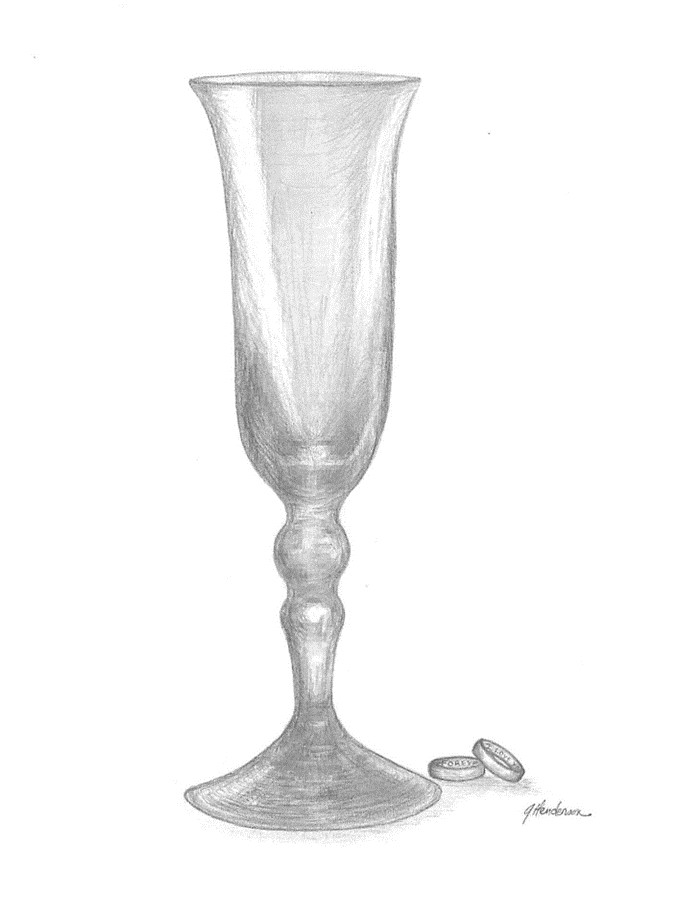
“Okay, okay.” Huggy held out one hand, opened it, and two rings sat there. “I’m the best man,” he said.
Starsky took one and put it on Hutch’s right index finger. Hutch took the other, looked at it–“This is engraved.” He squinted. “In Hebrew.”
“‘I am my beloved’s, and my beloved is mine,'” Starsky quoted, then ducked his head a little. “It’s traditional.”
“You goon,” Hutch said, completely in love, “This is a fine time to get shy about soapy scenes.” He put the ring onto Starsky’s right index finger, kissed the ring as he’d just done with the other one, and then pulled him in for a real tongue-sucking, we’re-already-married kiss. Huggy made wolf noises and a number of the watchers cheered and clapped.
In a minute he’d be embarrassed, Hutch thought, with the tiny corner of his mind that wasn’t taken up with kissing Starsky. In a minute he’d notice who wasn’t cheering–and who wasn’t here, like anyone from either of their families. In a minute that cold, watching second self would come back and he wouldn’t feel part of this moment and this gathering any more.
Oh, but right now–right now he was here. Getting married for real. More out than out. Me and thee and all of them.
He dipped Starsky and laughed joyfully into his surprised face. Everyone’s laughter rang in his ears.
“Now,” said Starsky, clutching his shoulders, “let’s get some cake.”
“You have the best ideas,” Hutch answered./
“I am my beloved’s, and my beloved is mine” by Julie Henderson
Have any thoughts?
Share your reaction or leave a quick response — we’d love to hear what you think!
-
 11
11
-
 5
5
-
 0
0
-
 0
0
-
 0
0
-
 0
0
